

Reshaping Engineering Waterproofing Standards with Innovative Technology
In the construction industry, waterproofing performance has always been a core indicator of project quality. Facing the challenges of traditional waterproofing materials, such as aging and poor adaptability, a new type of waterstop based on PVC (polyvinyl chloride) is emerging with its superior performance, becoming the "new benchmark" for waterproofing in underground projects, water conservancy facilities, and transportation tunnels.
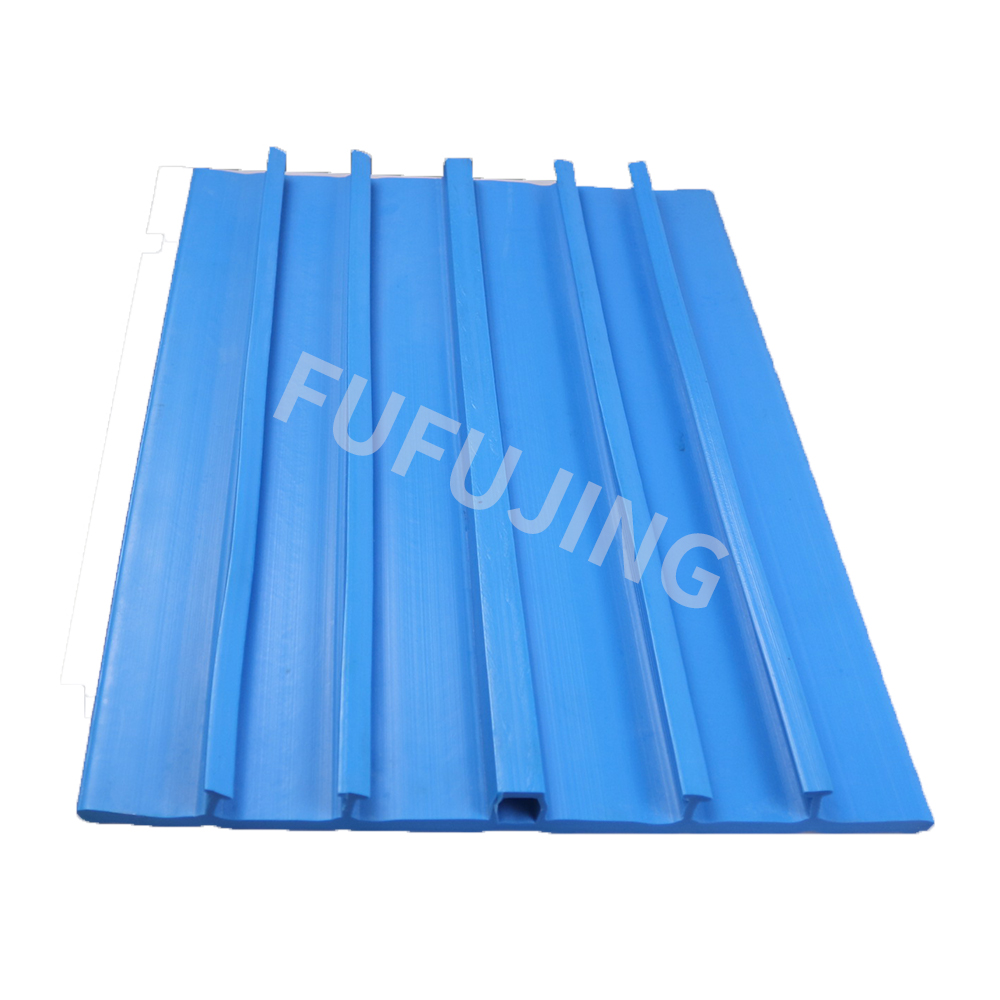
Technological Breakthrough: A Perfect Balance of Flexible Material and Rigidity
The innovation of PVC waterstop lies in its unique material formula and structural design. By optimizing the polymer ratio, this material maintains flexibility while significantly improving tear strength and chemical resistance. Experimental data shows that its tensile strength is over 1.5 times that of traditional rubber waterstops. It also maintains stable performance in extreme temperatures ranging from -30°C to 80°C, effectively addressing complex working conditions such as foundation settlement and temperature-dependent deformation.
Application Scenario: Comprehensive Coverage from Underground to Surface
In underground utility corridor construction, PVC waterstops, through a recessed installation process, seamlessly integrate with concrete structures, completely blocking groundwater infiltration pathways. In water conservancy dam projects, their hydrolysis resistance allows them to withstand long-term immersion, extending their lifespan by over 30% compared to traditional materials. In transportation tunnels, their lightweight design significantly reduces construction complexity, while their UV-resistant coating provides long-lasting protection for exposed sections.
Environmental Protection and Economic Efficiency: Dual Advantages Driving Industry Upgrades
Compared to metal waterstops, PVC waterstops are free of electrochemical corrosion concerns, reducing maintenance costs by over 60%. Compared to asphalt-based waterproofing materials, their production process produces no volatile organic compound emissions, aligning with the trend toward green building. The person in charge of a key provincial project stated, "The use of PVC waterstops not only shortened construction time by 20%, but also reduced overall lifecycle costs by nearly 40% compared to traditional solutions."
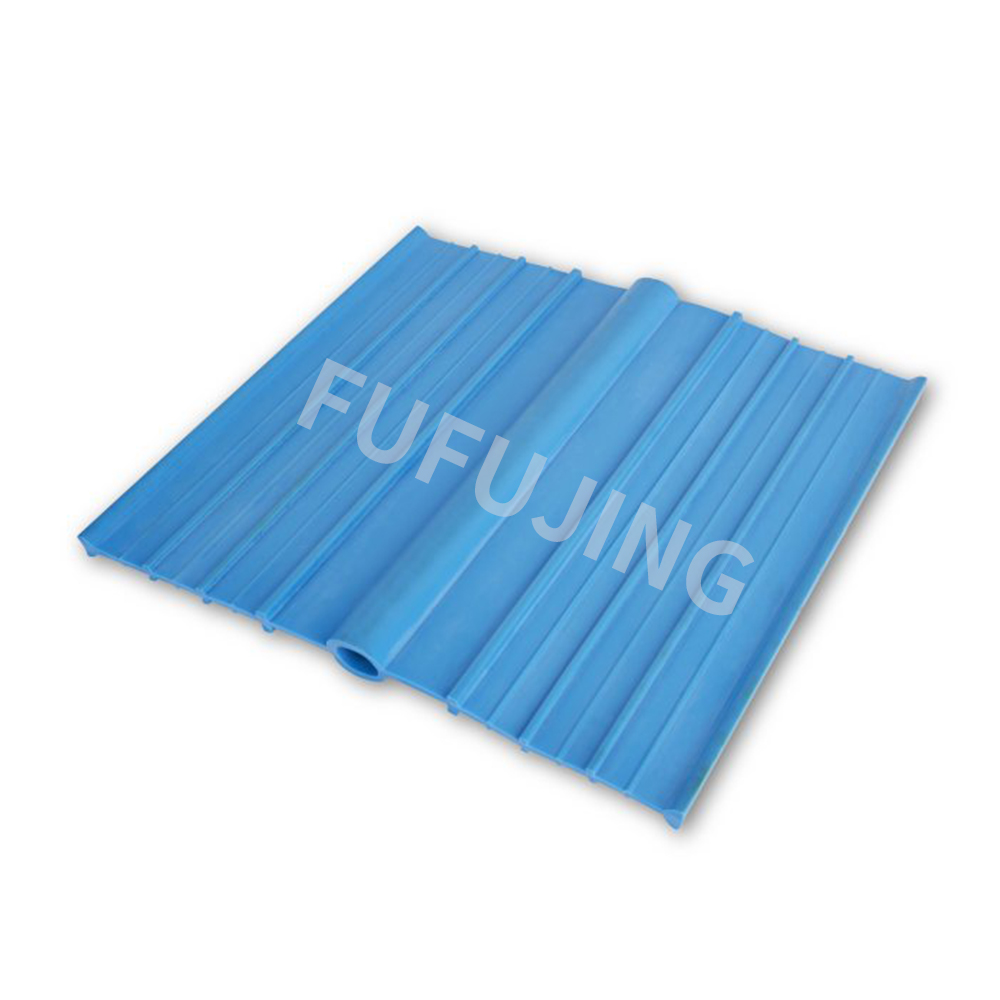
Industry Outlook: Standardization and Intelligentization Are the Future Direction
With the revision of standards such as the "Technical Specifications for Waterproofing of Underground Projects," the performance indicators of PVC waterstops are being incorporated into more mandatory provisions. At the same time, some cutting-edge companies have begun exploring intelligent monitoring capabilities. By embedding sensors in waterstops, they provide real-time feedback on leakage risks, driving the transformation of waterproofing projects from "passive maintenance" to "active prevention."
From material innovation to expanded applications, PVC waterstops are redefining the boundaries of engineering waterproofing with the power of technology. Driven by the dual goals of "dual carbon" and high-quality development, this innovative product is expected to become an "invisible guardian" of infrastructure construction, providing solid support for building a safe and durable modern engineering system.