

For engineers designing durable infrastructure, the choice of a waterstop is a long-term commitment. A failure in this critical component can lead to catastrophic water ingress, costly repairs, and structural damage. While installation is crucial, the inherent durability of the waterstop material itself against environmental stressors is the true foundation of a permanent seal.
At FFJ Waterstop, we engineer our products to withstand the harshest conditions. In this article, we explore the 7 key environmental factors that can degrade waterstops and how FFJ's solutions are formulated for exceptional longevity.
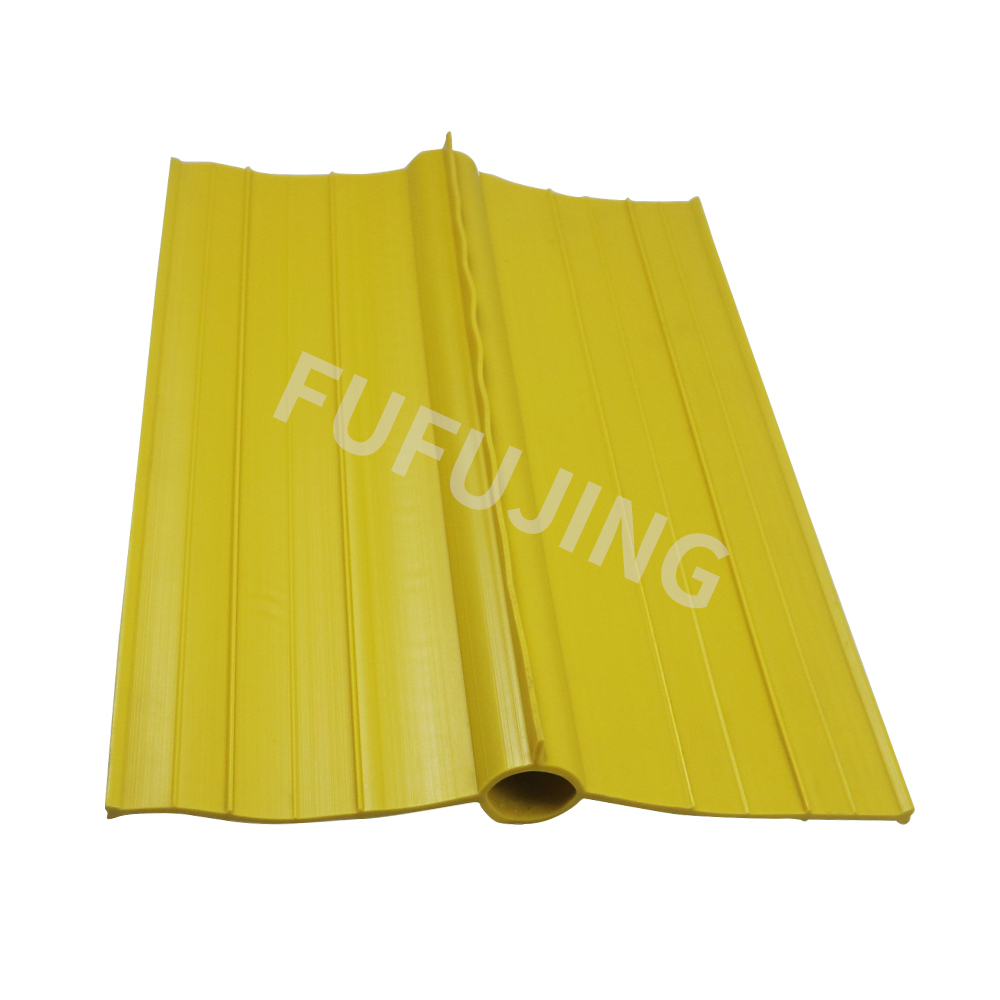
The 7 Major Enemies of Waterstop Longevity
Ozone (O₃) and UV Exposure
The Threat: Above-ground or near-surface exposure to sunlight and atmospheric ozone causes rubber to become brittle, crack, and lose its elasticity—a process known as oxidative degradation.
FFJ's Solution: We use anti-ozonants and carbon black in our rubber compounds. These additives act as sacrificial shields, absorbing UV radiation and neutralizing ozone before it can attack the polymer chains, significantly slowing down the aging process.
Thermal Cycling (Freeze-Thaw)
The Threat: Repeated expansion and contraction due to temperature fluctuations can cause mechanical fatigue, leading to delamination (especially in steel-reinforced waterstops) and a breakdown of the bond with concrete.
FFJ's Solution: Our rubber compounds are designed for a wide operating temperature range. They maintain flexibility at low temperatures and structural integrity at high temperatures, ensuring consistent performance through seasonal changes.
Chemical Attack
The Threat: Environments like wastewater treatment plants, industrial facilities, or marine structures expose waterstops to oils, acids, alkalis, and salts. These chemicals can swell, soften, or corrode the material.
FFJ's Solution: We offer a range of materials tailored to specific chemical threats. Our Nitrile-based rubber waterstops excel in resistance to oils and fuels, while our EPDM-based products offer excellent resistance to polar chemicals and weathering.
Continuous Water Immersion
The Threat: While designed for waterproofing, some materials can slowly hydrolyze (degrade through reaction with water) or leach out plasticizers over decades, losing volume and flexibility.
FFJ's Solution: Our formulations use high-quality, stable polymers and additives with low leaching rates. This ensures minimal water absorption and long-term stability, even under permanent hydrostatic pressure.
Biological Growth (Microbial Attack)
The Threat: In warm, nutrient-rich waters (e.g., sewage), microorganisms like bacteria and fungi can colonize surfaces and secrete acids that slowly break down certain polymers.
FFJ's Solution: The inert, high-density compounds we use are not a food source for microbes. Their smooth surface also minimizes areas for biofilm attachment, providing inherent resistance to biological attack.
Abrasion and Physical Wear
The Threat: During construction or in water-borne debris channels, waterstops can be subjected to abrasion from aggregates or flowing solids, which can compromise their surface.
FFJ's Solution: The high tensile strength and tear resistance of our products, particularly our steel-reinforced waterstops, provide robust protection against physical damage during and after installation.
Galvanic Corrosion (For Steel-Reinforced Types)
The Threat: If the steel ribs in a waterstop are not properly protected, they can corrode when exposed to moisture and electrolytes. This corrosion can expand, cracking the surrounding rubber and concrete.
FFJ's Solution: Our Strip Steel Waterstops feature hot-dip galvanized steel ribs. This thick, bonded zinc coating provides a superior sacrificial layer, preventing rust and ensuring the structural integrity of the waterstop for the life of the structure.
FFJ's Philosophy: engineered for Lifetime Performance
At FFJ, we don't just sell products; we deliver engineering peace of mind.
Our rigorous Quality Control process ensures every batch of waterstop meets our high standards for resistance against these 7 factors.
Material Selection: We choose base polymers (Natural Rubber, EPDM, Nitrile, PVC) based on the project's specific environmental profile.
Advanced Compounding: Our proprietary formulas include anti-aging agents, antioxidants, and reinforcing fillers to maximize service life.
Robust Construction: Features like integrated, heavily galvanized steel ribs and thick cross-sections are standard in our key products.
Visual Comparison of Material Resistance:
Choose wisely, Build confidently
Specifying a waterstop is a decision that will impact a structure for decades. By understanding environmental threats and choosing a partner like FFJ that engineers solutions to combat them, you can ensure a waterproofing system that stands the test of time.