

Common forms of damage that PVC waterstops may experience during use, as well as methods for regular inspection and maintenance, are as follows:
Common Forms of Damage
- Aging: When the PVC waterstop is exposed to the natural environment for a long time, it will be affected by factors such as ultraviolet rays, temperature changes, and oxygen, and will gradually age. It shows that the waterstop becomes hard, brittle, loses its elasticity, and is prone to cracks, thus reducing the waterstop effect. This is applicable to all types of PVC waterstops, including Internal Expansion Joint PVC Waterstop, Internal Construction Joint PVC Waterstop, External Construction Joint PVC Waterstop, and External Expansion Joint PVC Waterstop. For example, External Expansion Joint PVC Waterstop, which is more exposed to the external environment, may age more rapidly.
- Tearing: During the construction process, if the waterstop is subjected to excessive stretching, twisting, or scratching by sharp objects, it may lead to tearing. In addition, when the structure undergoes large deformations, the waterstop may also tear due to being unable to withstand excessive tensile force. For Internal Expansion Joint PVC Waterstop, which needs to adapt to structural expansions, the risk of tearing may be relatively high under extreme deformation conditions.
- Wear: When the waterstop rubs frequently against other objects, such as coming into contact with steel bars and formwork during the concrete pouring process, or being washed by water flow and debris during use, the surface will be worn, making the waterstop thinner and affecting its waterstop performance. External Construction Joint PVC Waterstop, which may be more exposed to external impacts, is more likely to suffer from wear.
- Debonding: The bonding between the waterstop and the concrete is not firm, or the adhesive fails due to various reasons during use, resulting in debonding. This creates a gap between the waterstop and the concrete, allowing water to seep through. Internal Construction Joint PVC Waterstop, which plays a crucial role in the internal structure's waterproofing during construction, is particularly affected by debonding issues.
- Deformation: Due to reasons such as uneven settlement of the structure and temperature stress, the waterstop may undergo excessive deformation, exceeding its own recovery ability, resulting in a change in shape and being unable to function properly as a waterstop. External Expansion Joint PVC Waterstop, which is designed to accommodate external structural expansions, may be more prone to abnormal deformation under complex stress conditions.
Regular Inspection Methods
- Visual Inspection: Regularly observe the surface of the waterstop to check for signs of cracks, tearing, wear, and aging. Check whether the color of the waterstop is uniform and if there are any discoloration or fading issues. At the same time, pay attention to whether there are debonding and gaps at the joint between the waterstop and the concrete. This inspection method is applicable to all types of PVC waterstops.
- Dimensional Inspection: Use measuring tools such as calipers to measure the width, thickness, and other dimensions of the waterstop, and compare them with the original design dimensions to see if there are any significant dimensional changes. If the waterstop becomes thinner or narrower, it may affect its performance. For example, for Internal Construction Joint PVC Waterstop, accurate dimensional control is important for ensuring its waterproofing function.
- Deformation Inspection: Observe whether the shape of the waterstop has obvious deformation, especially at the structural expansion joints and construction joints. You can compare it with the surrounding fixed reference objects or use measuring tools such as a level and a theodolite to check if the waterstop has abnormal deformations such as twisting, bending, or bulging. External Expansion Joint PVC Waterstop, which is designed to adapt to external structural changes, requires more careful deformation inspection.
- Leakage Inspection: In the presence of water, observe whether there is any leakage around the waterstop. You can check whether there are wet stains or water droplets on the concrete surface, or conduct a water storage test at the possible leakage locations and observe whether the water level drops within a certain period to determine the waterstop effect of the PVC waterstop. This is crucial for all types of waterstops, especially for External Construction Joint PVC Waterstop, which is directly related to the external waterproofing of the structure.
Maintenance Methods
- Cleaning: Regularly clean the dust, debris, oil stains, etc. on the waterstop to keep the surface of the waterstop clean. You can use a clean soft cloth or brush for cleaning, and avoid using sharp tools to scratch the waterstop. This maintenance measure is applicable to all types of PVC waterstops.
- Repair: For small cracks, small tears, and other damages found, repair them in a timely manner. Generally, you can use a repair adhesive or repair material that matches the material of the waterstop for filling and pasting to repair the damaged parts. For larger areas of damage, the waterstop should be replaced in a timely manner. For example, for Internal Expansion Joint PVC Waterstop, timely repair can prevent further damage and ensure its normal operation.
- Prevent Contact with Sharp Objects: During the construction and use process, avoid the waterstop coming into contact with sharp objects to prevent scratching. If there are sharp objects such as steel bars around, protective measures should be taken, such as using rubber pads or plastic sleeves to separate the waterstop from the sharp objects. This is important for protecting all types of PVC waterstops.
- Enhanced Protection: For the PVC waterstops exposed outside, covering protection measures can be taken, such as covering with a sunshade cloth or plastic film to prevent direct sunlight and rainwater erosion, and slowing down the aging speed. External Expansion Joint PVC Waterstop and External Construction Joint PVC Waterstop, which are more exposed to the external environment, especially need such enhanced protection.
- Handle Leakage: If leakage is found in the waterstop, promptly find out the cause of the leakage and take corresponding treatment measures. If the leakage is caused by debonding, re-bond it; if the leakage is caused by damage to the waterstop, repair or replace the waterstop first, and then carry out waterproof treatment. This is essential for maintaining the waterproofing performance of all types of PVC waterstops, especially for Internal Construction Joint PVC Waterstop and External Construction Joint PVC Waterstop.
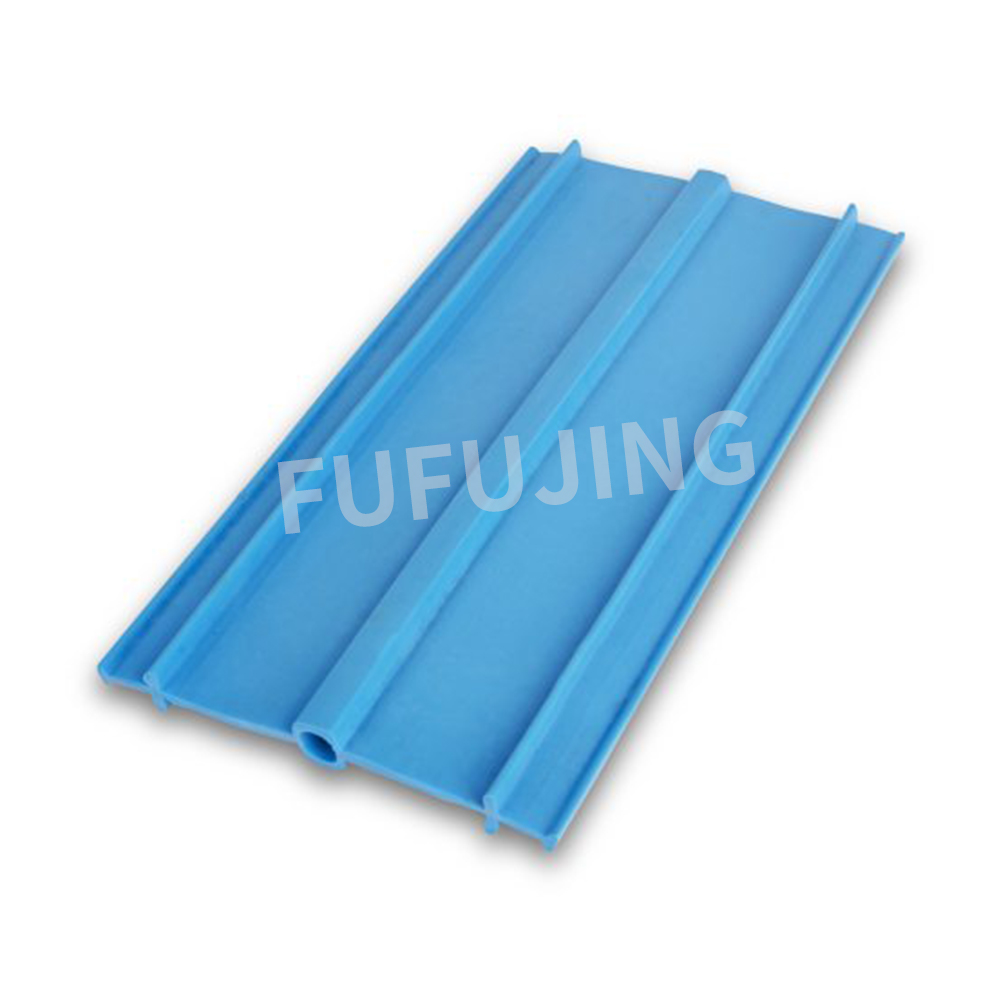
Wat are the common causes of damage t PVC waterstops?
How to replace a damaged PVC waterstop?
Are there any alternative materials to PVC waterstops?