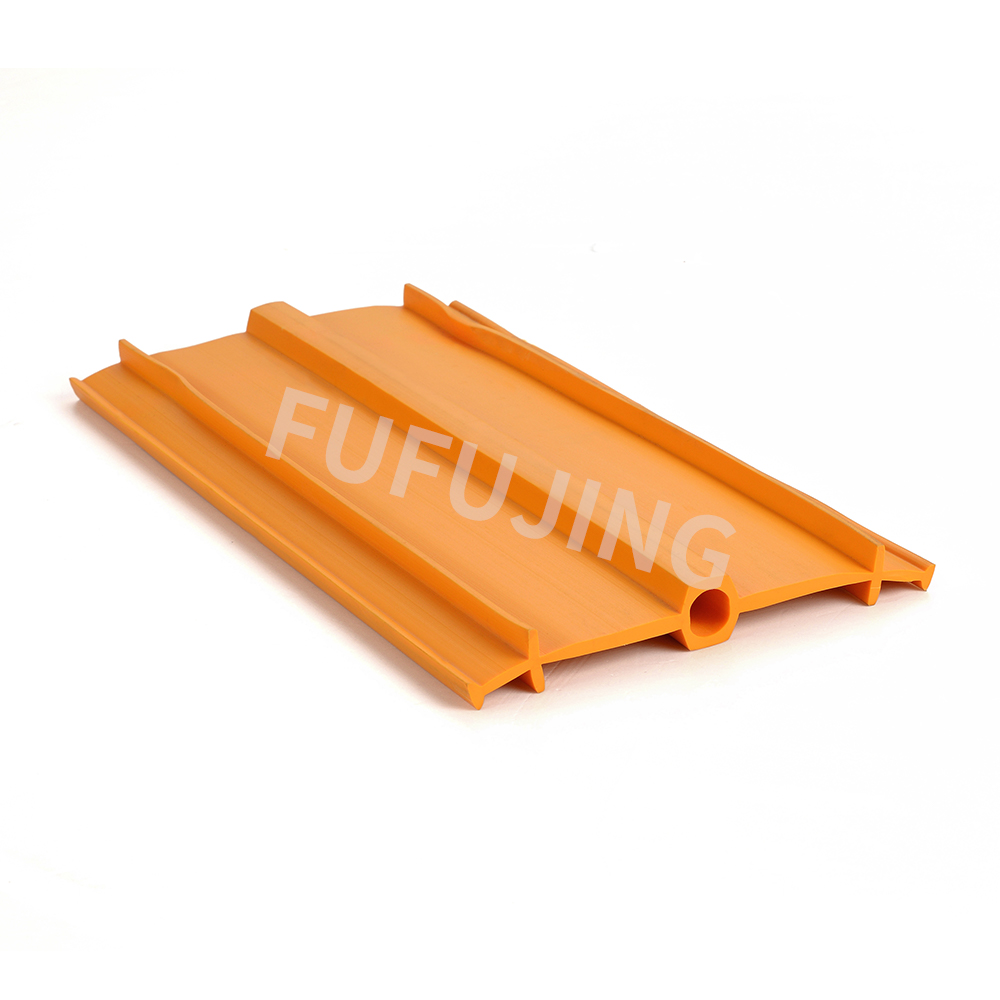
The integrity of concrete structures—from dams and tunnels to basements and bridges—relies heavily on effective joint waterproofing. Among the most widely used solutions is the PVC Waterstop, a flexible, durable material designed to prevent water ingress at concrete joints. This article explores the applications, installation protocols, and specifications of PVC Waterstops, focusing on their role in ensuring long-term structural durability.
1. PVC Waterstop for Concrete Joint: Purpose and Applications
A PVC waterstop for concrete joint is a preformed strip made from polyvinyl chloride (PVC) resin, plasticizers, and stabilizers. It is embedded within concrete joints during casting to create a watertight barrier, resisting hydrostatic pressure and chemical corrosion. Key applications include:
Civil Infrastructure: Expansion joints in bridges, reservoirs, and subway tunnels.
Building Construction: Basement walls, elevator pits, and water treatment plants.
Industrial Facilities: Containment structures in chemical plants or wastewater facilities.
The material’s flexibility (-30°C to +60°C operational range) and high tensile strength (up to 16 MPa) make it ideal for accommodating structural movement while maintaining seal integrity .
2. PVC Water Stopper Jointing Procedure: Step-by-Step Installation
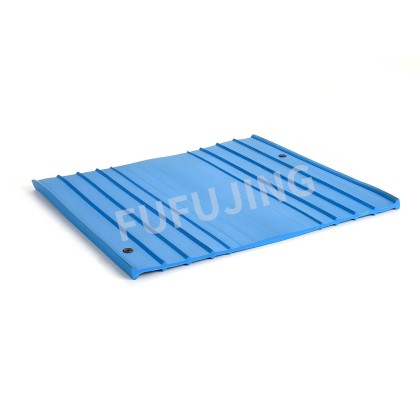
Proper installation is critical to the performance of PVC Waterstops. The PVC water stopper jointing procedure involves the following steps:
a. Surface Preparation
Clean the joint surface to remove debris, oil, or loose particles.
Ensure formwork is aligned to avoid displacement during concrete pouring.
b. Positioning the Waterstop
Lay the PVC Waterstop centrally within the joint, ensuring it spans the entire joint length without gaps.
Use adhesive or mechanical clamps to secure it temporarily.
c. Thermal Fusion Welding
For splicing horizontal or vertical joints, use a dual-heat welding machine (180–220°C) to fuse ends seamlessly.
Verify weld integrity through air-pressure testing (0.3 MPa for 5 minutes) .
d. Concrete Placement
Pour concrete in layers, avoiding direct impact on the waterstop.
Vibrate carefully to eliminate air pockets while ensuring the PVC Waterstop remains undisturbed.
3. PVC Water Stopper Specification: Key Technical Parameters
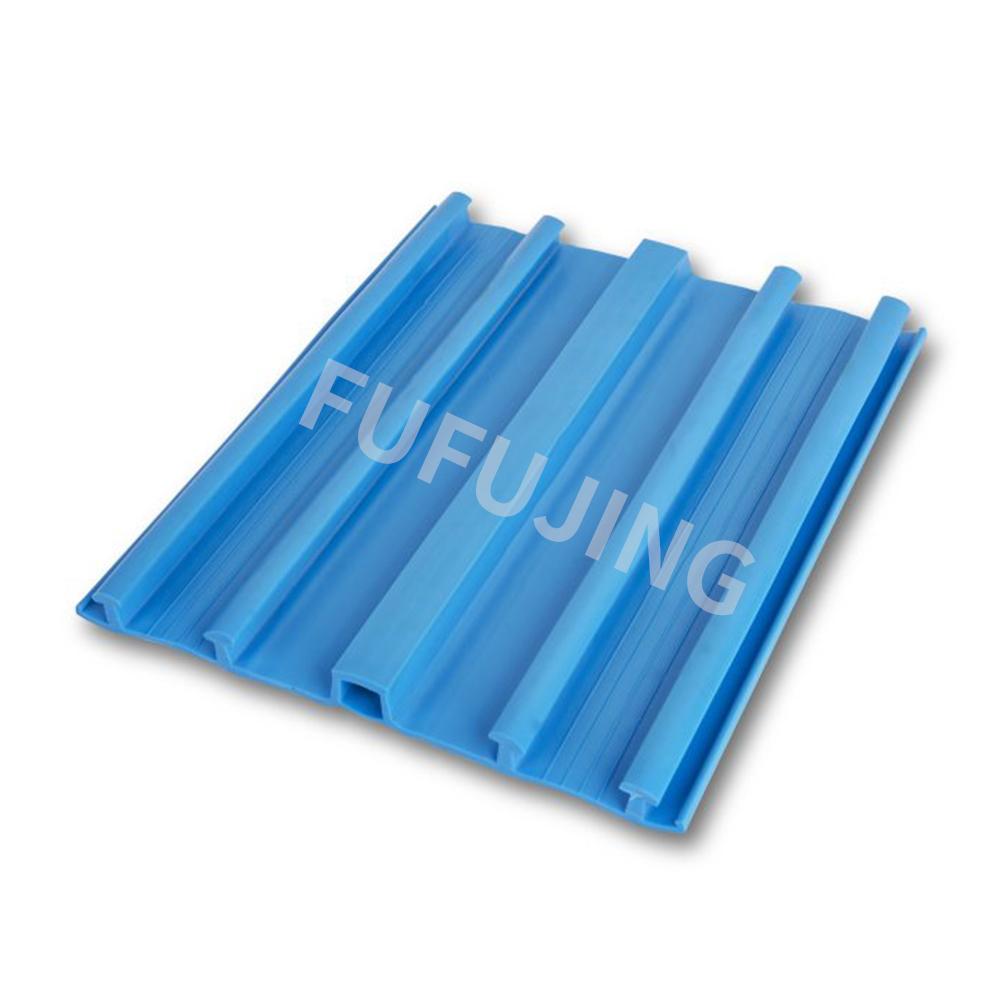
Compliance with international standards is essential for PVC Waterstop performance. Below are critical PVC water stopper
specification requirements:
Property est Standard Typical Value
Tensile Strength ASTM D412 ≥12 MPa
Elongation at Break ASTM D412 ≥300%
Hardness (Shore A) ASTM D2240 65±5
Low-Temperature Flexibility ASTM D2136 No cracks at -25°C
Water Absorption ASTM D570 ≤1.5% after 24 hours
Additionally, PVC Waterstops must meet chemical resistance criteria (e.g., pH 3–11) and dimensional tolerances (width: ±2mm; thickness: ±0.3mm) .
4. Standards and Certifications
Globally recognized standards for PVC Waterstop manufacturing include:
ASTM D963: Standard specification for PVC-based waterstops.
EN 13491: European norms for waterproofing geomembranes.
JIS A 6008: Japanese standards for joint sealants.
Leading manufacturers like Sika, Trelleborg, and Hengshui Jingtong Rubber also adhere to ISO 9001 and ISO 14001 certifications, ensuring quality and environmental compliance .
5. Advantages Over Alternative Materials
Compared to rubber or bentonite waterstops, PVC Waterstops offer distinct benefits:
Cost-Effectiveness: Lower material and installation costs.
Ease of Welding: Seamless joints via thermal fusion, reducing leakage risks.
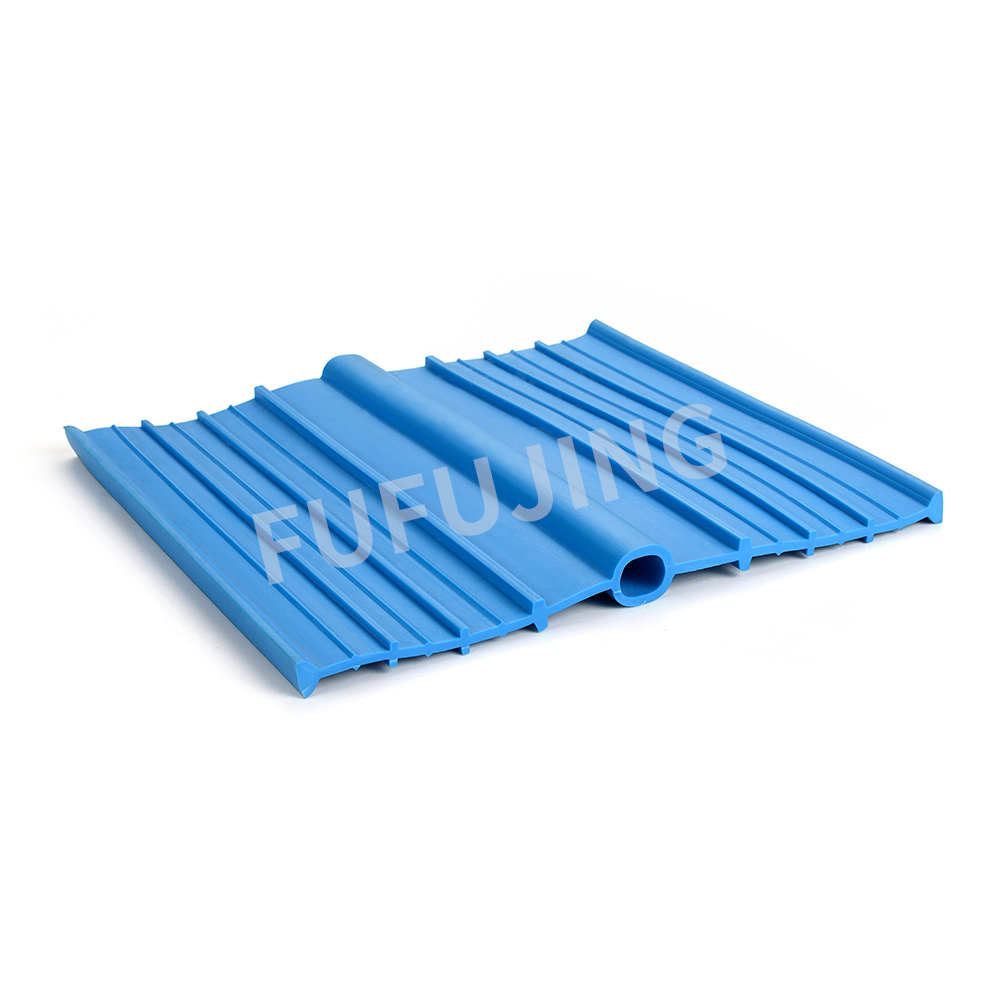
Customization: Available in dumbbell, center bulb, or ribbed profiles to suit joint types.
6. Case Study: PVC Waterstop in Hydropower Dam Construction
In the 2024 Three Gorges Dam retrofit project, a 2.3 km-long PVC Waterstop system was installed to address aging concrete joints. Post-installation tests showed a 98% reduction in seepage, underscoring the material’s reliability under extreme hydrostatic loads .
Conclusion
The PVC Waterstop remains indispensable in modern construction, combining proven performance with adaptability to complex joint configurations. By adhering to precise PVC water stopper jointing procedures and specifications, engineers can ensure watertight, durable structures capable of withstanding decades of environmental stress.
For project-specific guidance, consult technical datasheets from certified suppliers or refer to ASTM/EN standards for compliance verification.