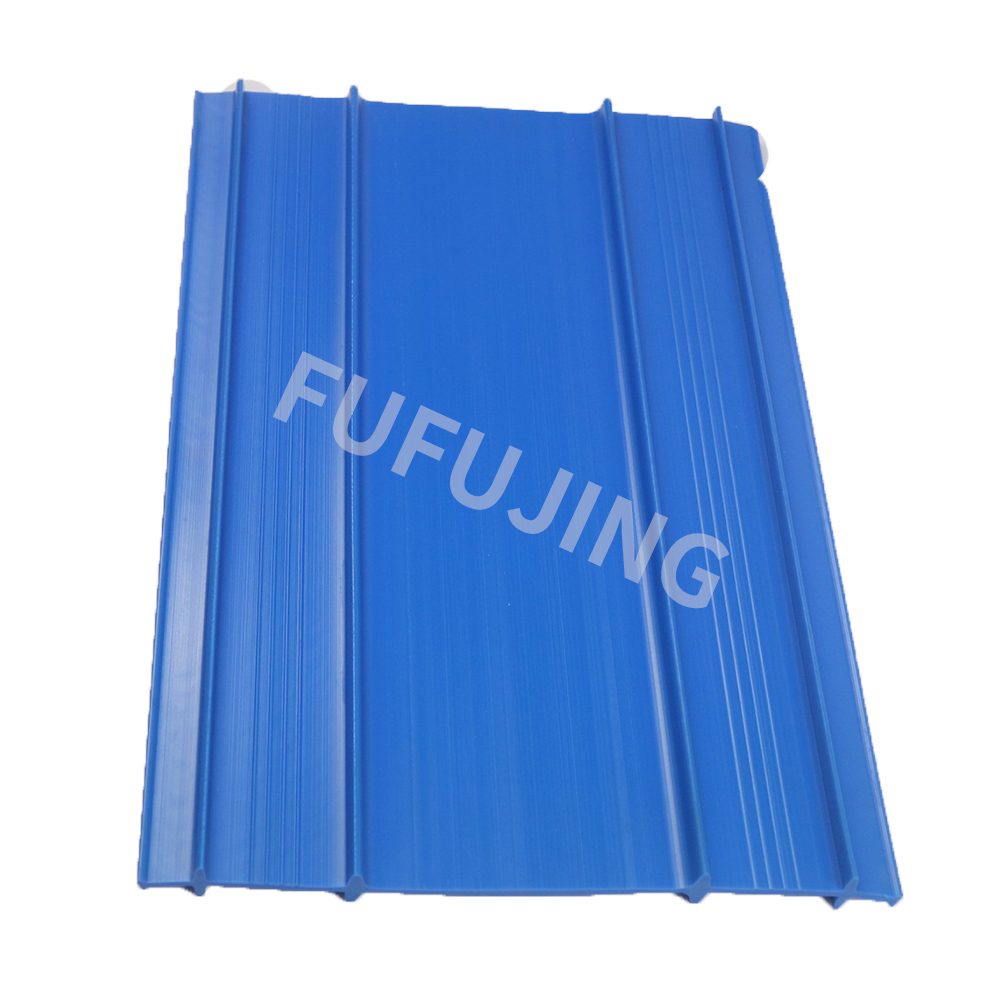
The molecular structure of PVC waterstrips significantly influences their waterproofing performance through the following mechanisms:
Chlorine Polar Groups
The presence of highly polar chlorine atoms in the polyvinyl chloride (PVC) polymer chain creates strong intermolecular forces. This dense molecular arrangement reduces water permeability by forming a barrier that prevents water molecule diffusion. The chlorine atoms also enhance chemical stability, resisting corrosion from alkalis and acids, which is critical for long-term durability in harsh environments.
Amorphous Structure with Low Crystallinity
PVC is predominantly amorphous (non-crystalline), with only 5–15% crystallinity. This structure provides flexibility to accommodate structural movements (e.g., thermal expansion/contraction) without cracking, ensuring continuous sealing at joints. The irregular molecular arrangement further hinders water penetration pathways.
Molecular Chain Stability
The linear polymer chains of PVC, stabilized by additives like plasticizers and UV inhibitors, maintain elasticity across temperature fluctuations. For instance, EVA- or ECB-modified PVC formulations improve low-temperature flexibility (down to -30°C) while retaining tensile strength (≥10–16 MPa). This prevents brittle fractures under mechanical stress.
Cross-Linking and Additive Synergy
In advanced formulations, cross-linking agents and copolymers (e.g., ethylene-vinyl acetate) optimize the balance between rigidity and elasticity. The result is a material that resists permanent deformation under compression while maintaining adhesion to concrete surfaces. Enhanced interfacial bonding minimizes water channel formation at construction joints.
Hydrophobic Backbone
The hydrocarbon backbone of PVC is inherently hydrophobic. Combined with dense molecular packing, this property ensures minimal water absorption (<4% even after prolonged immersion), critical for preventing swelling or degradation in humid conditions.
In applications requiring specialized performance, variations like Internal Expansion Joint PVC Waterstop, Internal Construction Joint PVC Waterstop, External Construction Joint PVC Waterstop, and External Expansion Joint PVC Waterstop leverage these molecular characteristics to address differential movement and hydrostatic pressure in concrete structures.