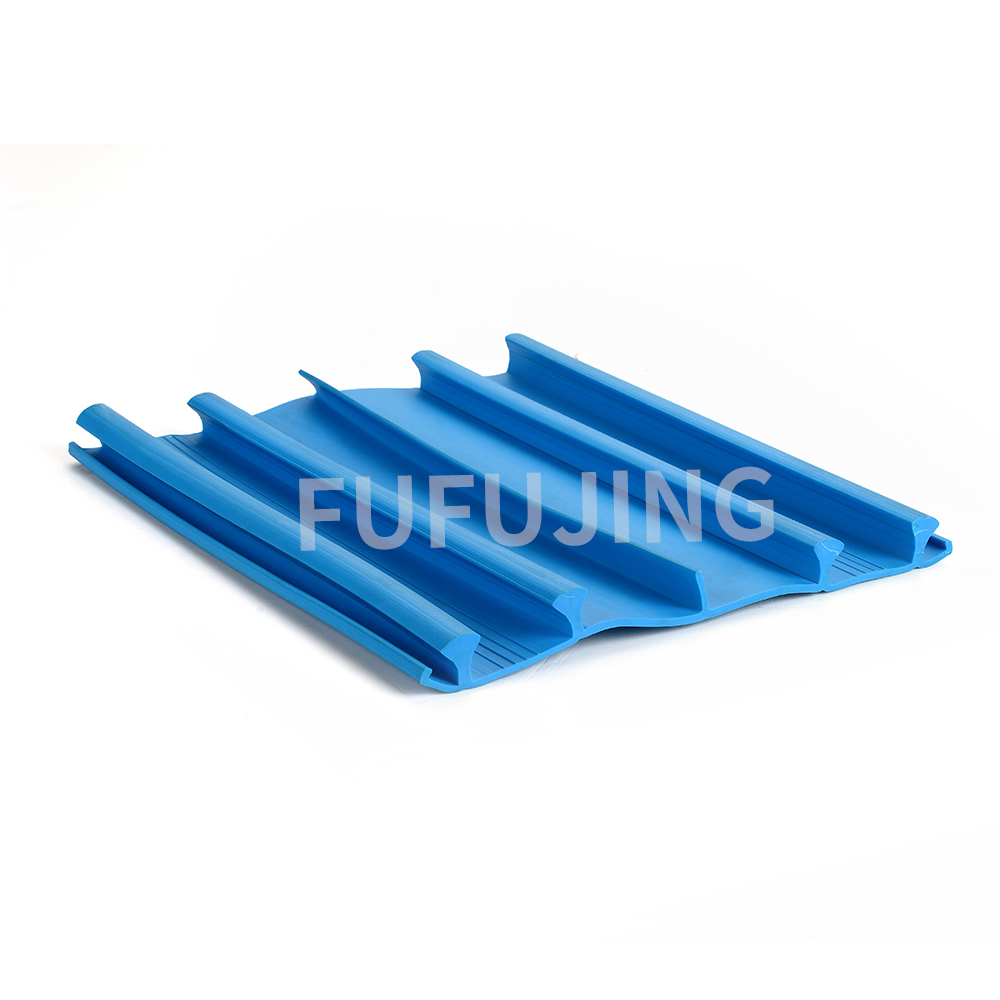
Regional Capacity Distribution and Competitive Landscape of PVC Waterstops in China
1. Regional Capacity Distribution
China's PVC waterstop production capacity is highly concentrated in Northwest and North China, driven by resource advantages and industrial clustering:
Northwest China (Xinjiang, Inner Mongolia, Ningxia, Shaanxi):
Accounts for over 50% of national capacity, leveraging abundant coal resources for cost-effective calcium carbide production (critical for PVC manufacturing).
Major producers: Xinjiang Tianye (600075.SH), Zhongtai Chemical (002092.SZ), and Junzheng Group (601216.SH), which dominate domestic and export markets with large-scale, vertically integrated operations.
North China (Shandong, Tianjin):
Focuses on ethylene-based PVC production, catering to high-end applications. Key players include Shandong Lutai Chemical and Tianjin Dagu Chemical.
East China (Jiangsu, Zhejiang):
Hosts technologically advanced manufacturers specializing in modified PVC waterstops for infrastructure projects. Companies like Jiangsu Tianteng Chemical lead in R&D for eco-friendly variants.
2. Competitive Landscape
The market is fragmented but gradually consolidating, with top players expanding through mergers and technological upgrades:
Market Concentration:
The top 5 companies (e.g., Xinjiang Tianye, Zhongtai Chemical) hold ~30% market share, while small-to-medium enterprises dominate regional markets.
Key Competitive Strategies:
Cost Leadership: Northwest-based firms leverage low energy/raw material costs to dominate bulk PVC waterstop production.
Product Differentiation: East China manufacturers focus on high-value products like Internal Expansion Joint PVC Waterstop (for seismic zones) and External Construction Joint PVC Waterstop (for hydropower dams), achieving higher margins.
Export Expansion: Companies like Hebei Huabei Plastic and Beijing Hengweide target Southeast Asia and Africa, leveraging "Belt and Road" infrastructure projects.
Emerging Trends:
Green Transition: stricter environmental policies are phasing out small, polluting plants, accelerating industry consolidation.
Smart Manufacturing: Integration of IoT for quality control in producing precision products like Internal Construction Joint PVC Waterstop.
3. Challenges and Opportunities
Challenges: Overcapacity (~75% utilization rate), rising export barriers (e.g., India’s BIS certification), and volatile raw material prices.
Opportunities: Demand for External Expansion Joint PVC Waterstop (used in coastal megaprojects) and eco-friendly variants will drive growth, supported by urbanization and green building policies.
Product Segmentation
The market is diversifying into specialized types:
Internal Expansion Joint PVC Waterstop: For dynamic joints in bridges/tunnels.
Internal Construction Joint PVC Waterstop: Used in concrete pouring seams.
External Construction Joint PVC Waterstop: Applied in underground waterproofing.
External Expansion Joint PVC Waterstop: Designed for marine/coastal structures. These innovations reflect the industry’s shift toward high-performance, application-specific solutions.
The competitive landscape remains dynamic, with regional strengths and product specialization shaping market hierarchies.