To avoid bubbles and delamination in PVC waterstop extrusion processes, the following technical measures are critical based on industry practices and material science principles:
1. Material Preparation & Drying
Pre-dry PVC pellets at 80–100°C for 2–4 hours to eliminate moisture, which is a primary cause of bubbles. Excess moisture vaporizes during extrusion, creating voids.
Optimize material formulation: Use high-purity PVC resins and additives (e.g., stabilizers, plasticizers) to enhance melt homogeneity. Impurities or incompatible additives can lead to phase separation and delamination.
2. Process Parameter Control
Temperature profile: Maintain precise barrel temperatures (e.g., feed zone: 185–195°C, compression zone: 180–190°C, die zone: 190–210°C) to ensure uniform melting without thermal degradation. Overheating causes PVC decomposition, releasing gases like HCl.
Screw speed & pressure: Moderate screw rotation (16–160 rpm) and backpressure to prevent air entrapment. Excessive shear stress induces melt fracture and layer separation.
Vacuum venting: Install vacuum pumps in the extrusion line to evacuate trapped air and volatiles during compounding.
3. Equipment & Tooling Optimization
Regular screw and barrel cleaning: Residual degraded material acts as nucleation sites for bubbles. Use purging compounds for maintenance.
Die design: Ensure smooth flow channels and uniform cross-sectional geometry to prevent stagnation zones, which exacerbate delamination.
4. Post-Extrusion Handling
Cooling control: Gradual cooling (e.g., water baths or air cooling) minimizes internal stresses that cause layer separation. Rapid cooling traps residual stresses.
Quality inspection: Use ultrasonic testing or microscopy to detect microvoids and interfacial defects early.
5. Advanced Techniques
Microcellular foaming agents: For controlled bubble formation (if required), use supercritical CO2/N2 injection to create uniform cell structures without random voids.
Co-extrusion: For multi-layer waterstops (e.g., Internal/External Construction Joint PVC Waterstop), optimize adhesion between layers using compatible polymers and interfacial bonding agents.
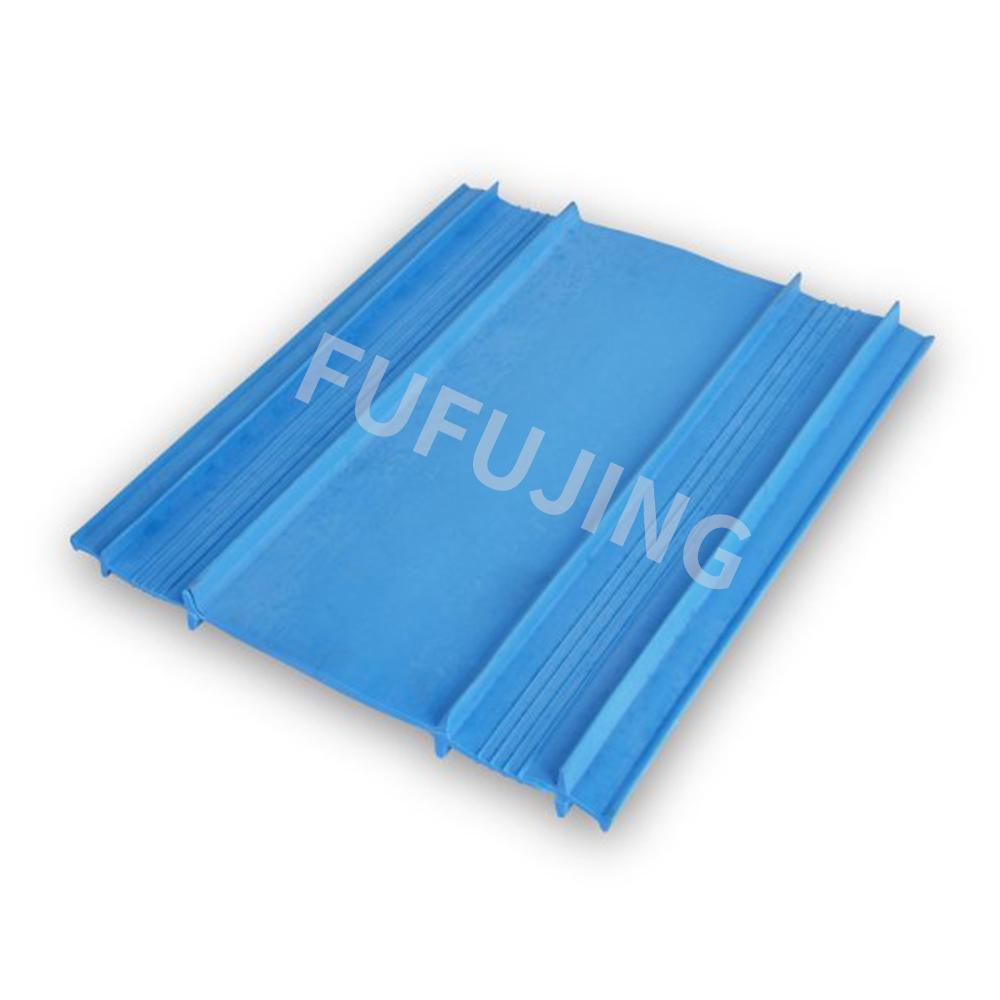
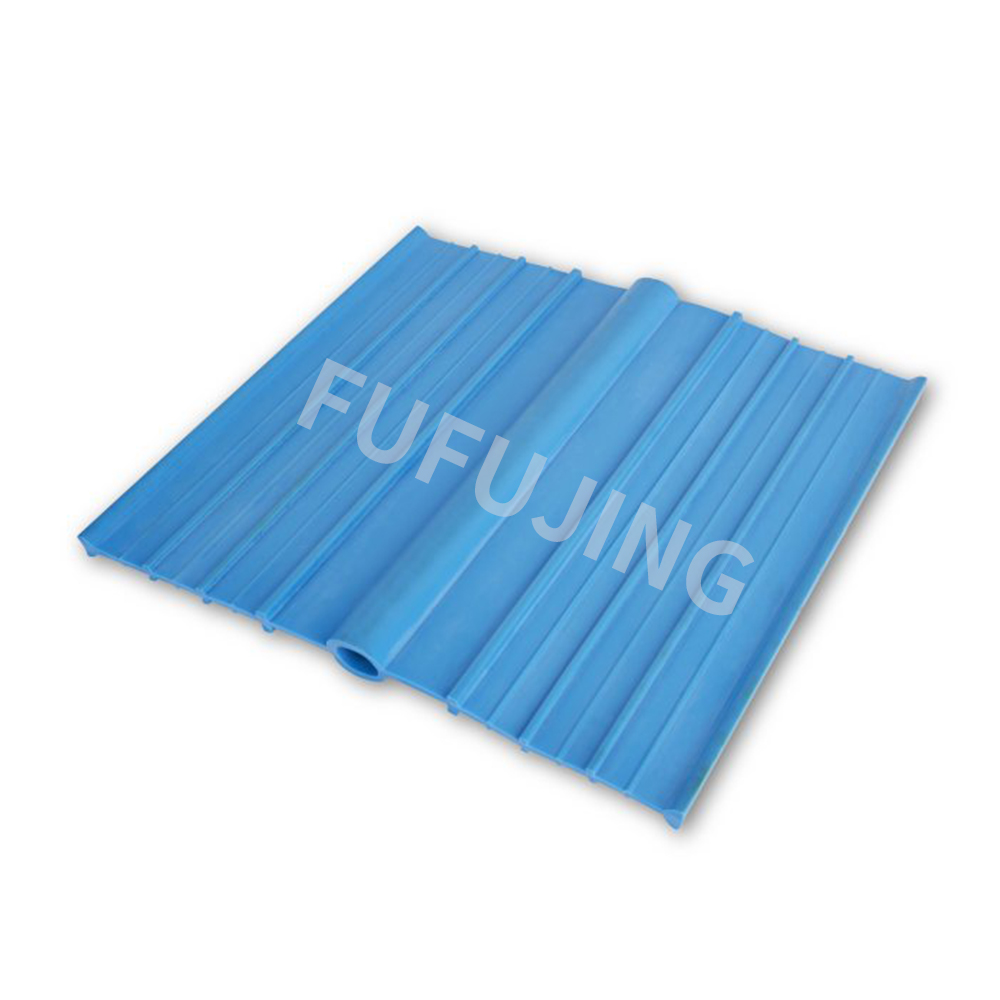
These measures ensure high-quality extrusion for applications like Internal Expansion Joint PVC Waterstop (dynamic joint sealing), Internal Construction Joint PVC Waterstop (concrete pouring seams), External Construction Joint PVC Waterstop (underground waterproofing), and External Expansion Joint PVC Waterstop (coastal/marine structures).