

In construction, waterstops are vital for preventing water infiltration that can damage structures and cause costly repairs. From urban skyscrapers to remote infrastructure, they are indispensable. This blog explores their significance globally, linking to our website's core offerings.
Understanding Waterstops: What Are They and How Do They Work?
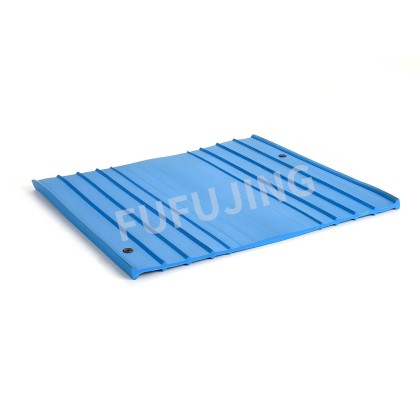
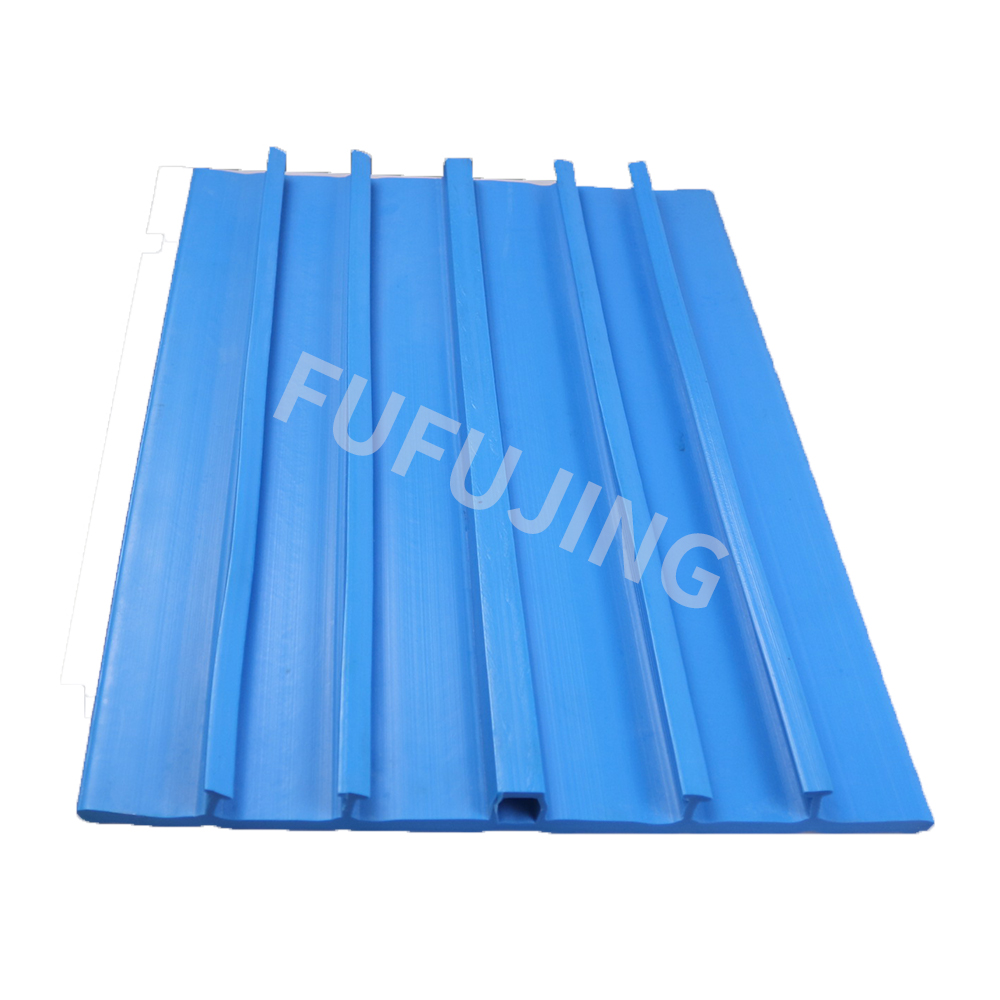
Waterstops are impermeable strips/profiles in concrete joints that block water from external (rain, groundwater) or internal (plumbing) sources.
Made from rubber, PVC, TPE, or metal—chosen by project needs—they offer unique benefits: rubber provides flexibility and chemical resistance; PVC offers durability and cost-effectiveness.
Proper installation during construction ensures a tight seal to withstand water pressure and structural movement, as even small gaps cause leaks.
The Global Impact of Water Infiltration in Construction
Water infiltration is a worldwide issue. In high-rainfall regions (Southeast Asia, parts of South America), it leads to mold, steel corrosion, and concrete degradation. Cold climates (Northern Europe, Canada) see freeze-thaw cycles worsen damage via joint-seeping water.
Coastal areas (Australia, U.S.) face saltwater intrusion, corroding steel in bridges, ports, and seawalls.
Water damage costs billions annually in the U.S. alone, including repairs, equipment replacement, productivity loss, and health expenses—global figures are even higher, emphasizing the need for waterstops.
Waterstops in Different Construction Sectors: A Global Overview
Infrastructure Projects
Infrastructure relies on waterstops for longevity. Bridges need them in deck joints to prevent water damage to steel and concrete. Tunnels (underwater or high groundwater) use them to seal segment joints, maintaining dry, safe interiors. Dams require waterstops in walls and spillways to prevent catastrophic leaks.
Commercial and Residential Buildings
In buildings, waterstops protect basements from groundwater seepage (avoiding flooding, mold, and equipment damage) and seal joints around bathrooms/kitchens to prevent water from harming floors, walls, and indoor air quality.
Industrial Facilities
Industrial sites (factories, power plants, chemical plants) use waterstops to seal joints in tanks, pipelines, and processing areas. They prevent leaks of water/chemicals, avoiding environmental harm, equipment failure, and safety risks—critical for chemical plants with corrosive substances.
Our Waterstop Solutions: Meeting Global Construction Needs
We offer a comprehensive range of high-quality waterstops for global construction needs.
Our products use premium materials for durability, flexibility, and environmental resistance—rubber for high-rainfall bridges, PVC for residential basements, chemical-resistant options for industrial facilities.
Innovation drives our designs: self-adhesive waterstops ease installation (reducing labor costs), and custom pre-formed options ensure perfect fits. Beyond products, we provide expert support to ensure optimal waterstop performance in any project.